3 monthly credits · No cardStart free
The complete guide to building an obby — stages, checkpoints, kill bricks and a finish line.
A place file with Luau 
Icons, thumbnails, GFX Five second clips
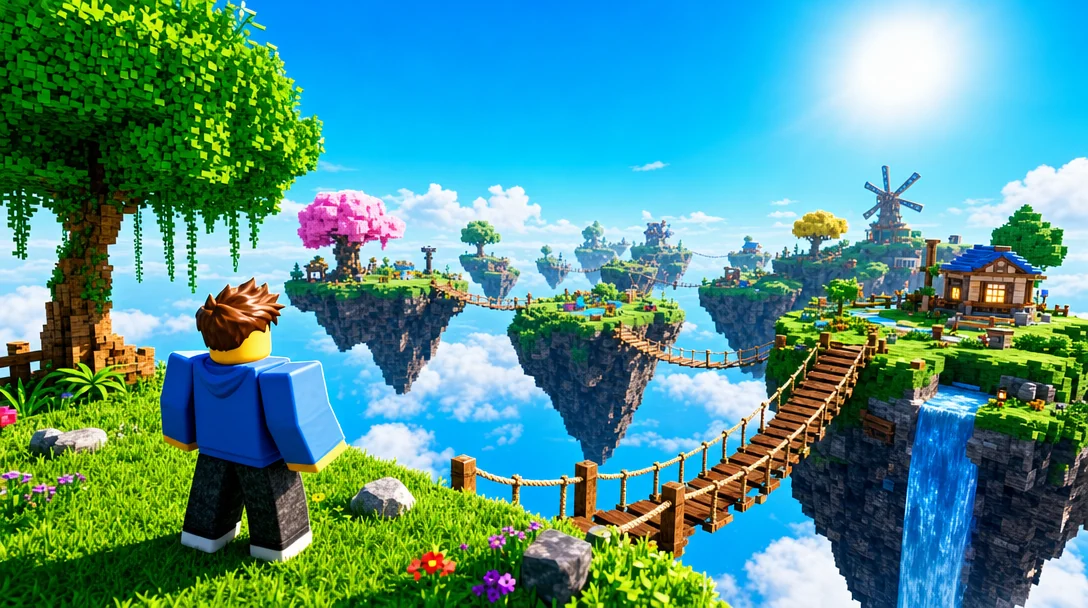
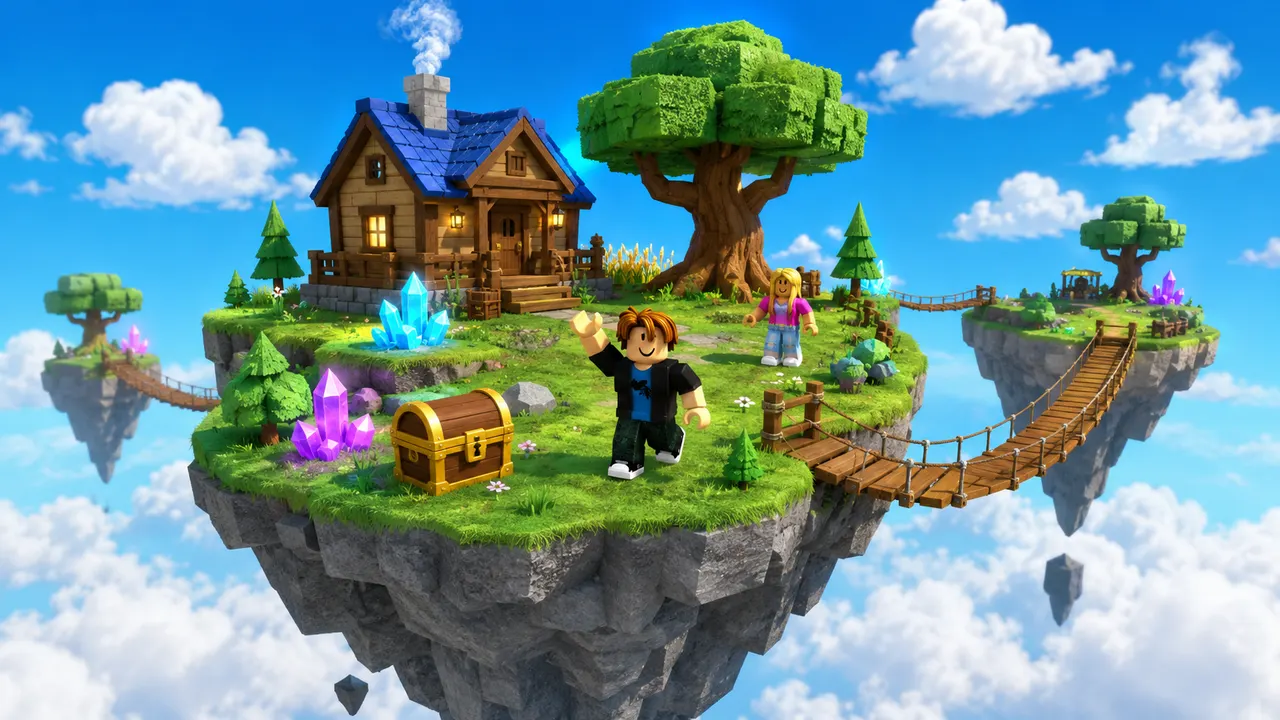 Sky Islands3 monthly credits · No cardStart freeSky Islands
An obby — short for “obstacle course” — is the most beginner-friendly Roblox game to make, which is why it's almost everyone's first. At its core an obby is a start pad, a run of platforms and jumps that get harder as you go, checkpoints so players don't restart from zero, kill bricks that send them back a checkpoint, and a finish line. Building one by hand means placing every platform in Roblox Studio and writing Luau for the checkpoints, kill bricks and leaderboard. The faster route is to describe the obby to an AI builder, which lays out the stages and writes those scripts for you, then refine it by chatting. This guide covers what an obby is made of, both build paths, the scripts it needs, and how to design one that's fun instead of frustrating.
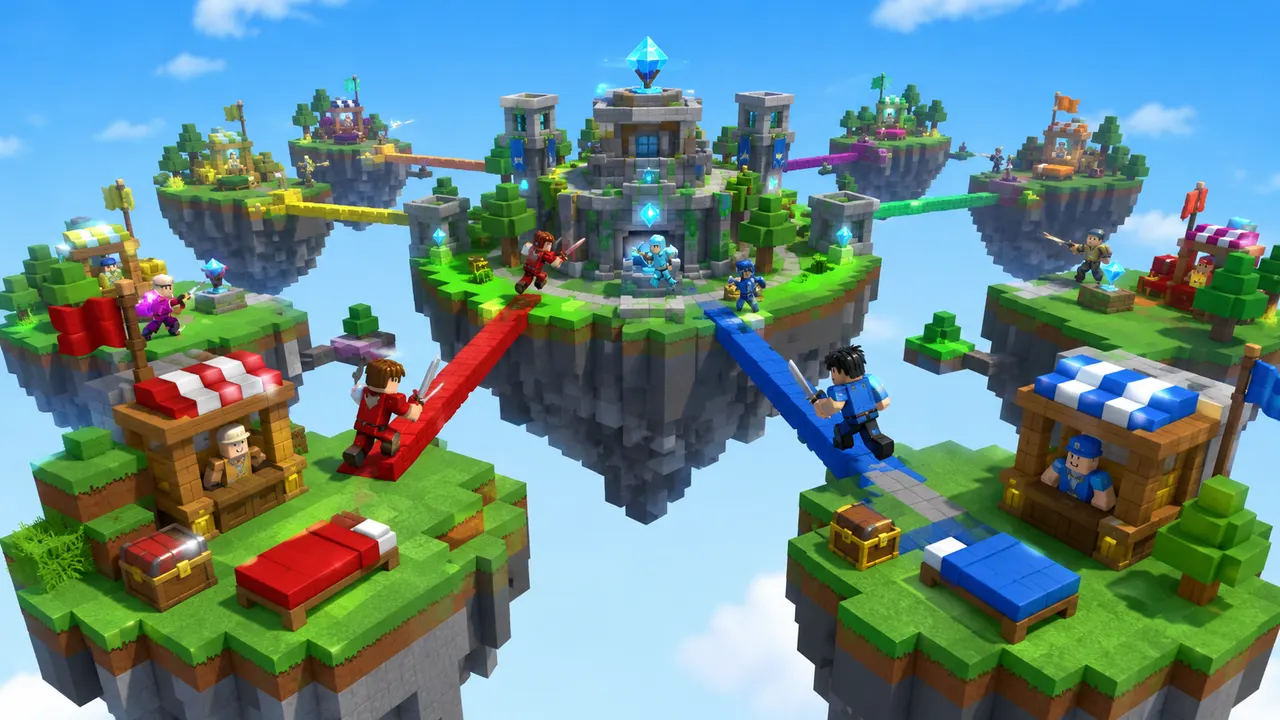
You describe the game. Roblox AI builds the world, writes the Luau, and wires the systems — a complete, playable place, generated in minutes.
How it works
One prompt.
Type your game idea in plain English — the genre, the map, the rules. No coding required — the AI writes all the Luau for you.
The AI plans the build, writes the Luau scripts, places the parts and assembles a playable place file in minutes.
Download it, open it in Roblox Studio, and publish it from your own Studio session.
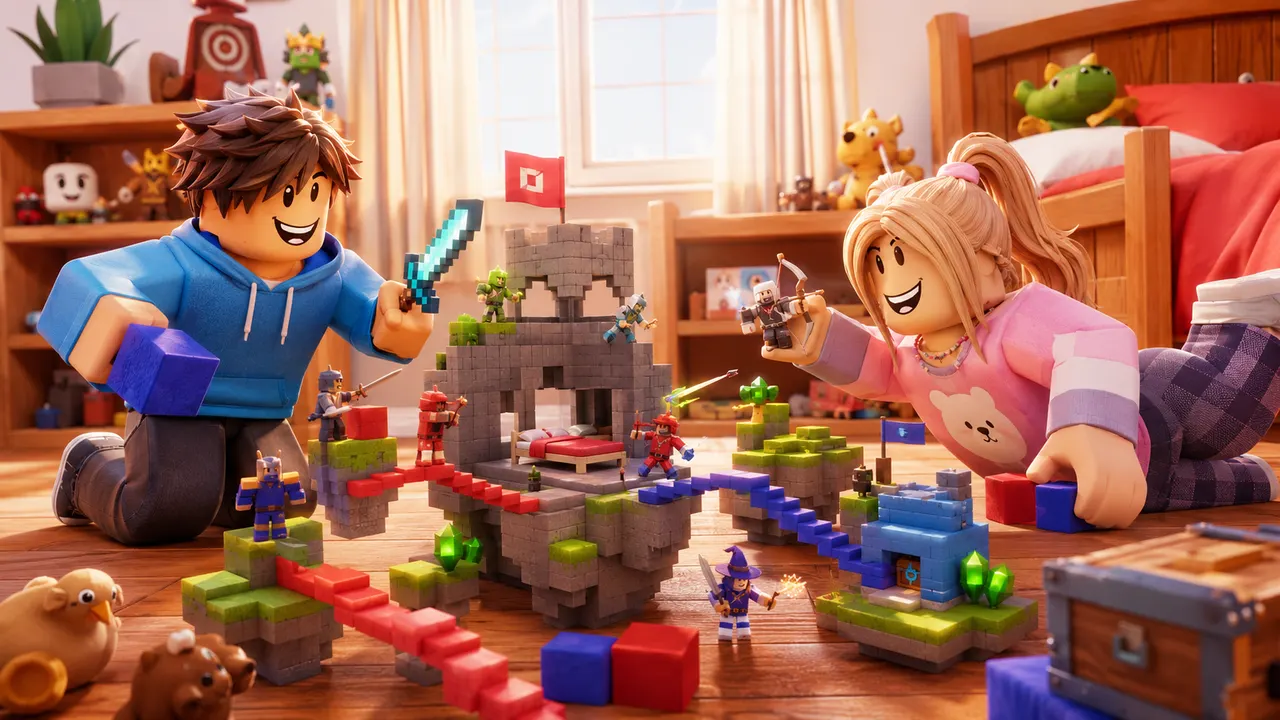 Playable
What it builds
Any game.
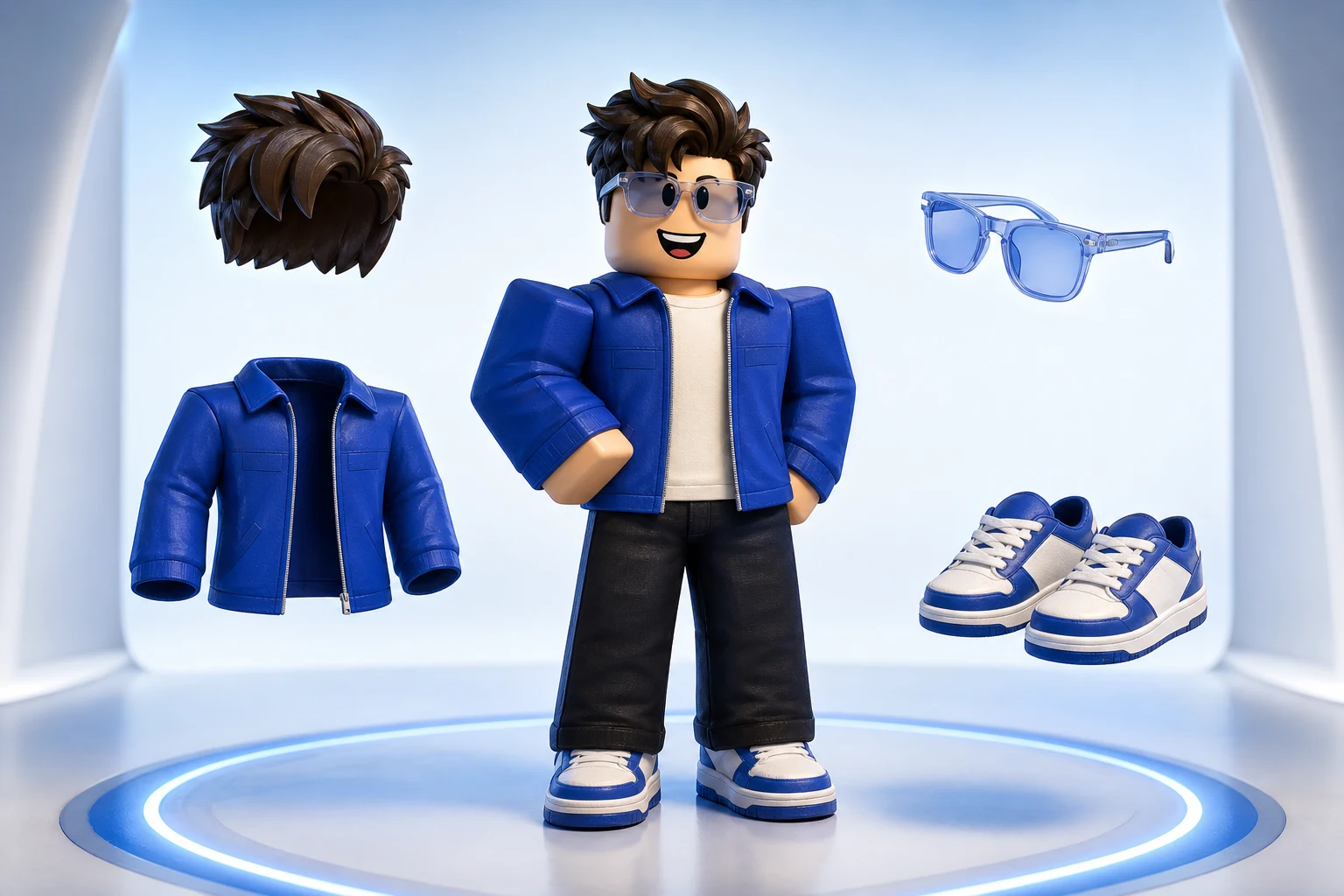
The same account generates avatar and outfit sources, classic clothing templates, UGC accessories and full characters — files you own, sized and formatted to pass Roblox upload rather than to look right in a preview.
Turn an idea into something playable to build on.
Get the avatar right without buying twice.
Design something uploadable without opening an image editor.
Make a UGC item worth publishing to the Marketplace.
Ship clothing that survives every body and animation.
Own a character nobody else can equip.
Give the game a face people click on.

Feed a channel without filming anything.
Every obby, from the simplest to the most elaborate, is built from the same handful of ingredients:
There are two honest ways to make an obby, and they suit different people.
By hand in Roblox Studio. You place each platform, colour the kill bricks, and write Luau scripts for the checkpoint system, the kill bricks and the leaderboard. This gives you total control over every jump, and it's how experienced Roblox developers work — but expect to follow tutorials for the scripting parts, which is where most beginners get stuck.
Describe it to an AI builder. Instead of placing parts and writing code, you write what you want in plain English — the number of stages, the theme, the hazards — and an AI lays out the course and writes the checkpoint, kill-brick and leaderboard scripts for you. You get a playable obby in minutes, refine it with one more sentence, and can open the place file in Studio later to hand-tune any jump. The rest of this guide uses this as the main path.
The flow is describe → generate → refine. Lead with the length, the theme and the hazards, then add systems and tune the difficulty in follow-up lines instead of starting over:
Prompt
Make an obby with 15 stages over a lava void, platforms that get smaller and farther apart as you climb.
Prompt
Add a checkpoint every 5 stages, kill bricks on the lava, and a leaderboard for fastest finish time.
Prompt
Make stages 10 to 15 harder with moving platforms, and add a shortcut path for expert players.
An obby is mostly placing parts, but a few small Luau scripts make it an actual game. An AI builder writes all of these for you; here's what they are so you know what's happening:
The difference between an obby people finish and one they rage-quit is design, not difficulty. Keep these in mind:
Most bad obbies fail the same few ways. Steer clear of these:
Start with 60 free credits each month. Starter is $15/month for 750 credits, Pro is $35/month for 1,900 credits and 720p video, and Max is $95/month for 5,250 credits and unlimited projects.
Try world building, images and video with 60 free credits every month. No credit card.
For creators making thumbnails and icons for their own experiences.
For creators shipping regularly. Adds 720p video and detailed 3D assets.
Best value per credit. For studios and anyone generating every day.
Credits refresh monthly with your plan. Cancel anytime.
Lay out a course of platforms with a start and a finish, then add checkpoints, kill bricks and a leaderboard. You can build it by hand in Roblox Studio and script those systems in Luau, or describe the obby to an AI builder that lays out the stages and writes the scripts for you, then publish it to Roblox.
No. The platforms are just placed parts, and the checkpoint, kill-brick and leaderboard scripts can be written for you by an AI builder from a plain-English description. You'd only need Luau if you later want to hand-edit those scripts in Roblox Studio.
For a first obby, 20 to 40 stages is a good target — long enough to feel like a real game, short enough that players actually finish it. Focus on a smooth difficulty ramp and fair checkpoints rather than sheer length.
A checkpoint is a pad that, when touched, saves that stage as the player's spawn point so they respawn there after a fall. An AI builder adds the checkpoint script automatically; in Studio you place a checkpoint part per stage and write a Touched handler that updates the player's spawn.
Ready when you are
Your turn.
Describe an idea and generate a playable Roblox game in minutes. Start with 3 free monthly credits — no credit card and no coding required.